
Why do my gums bleed when I brush my teeth?
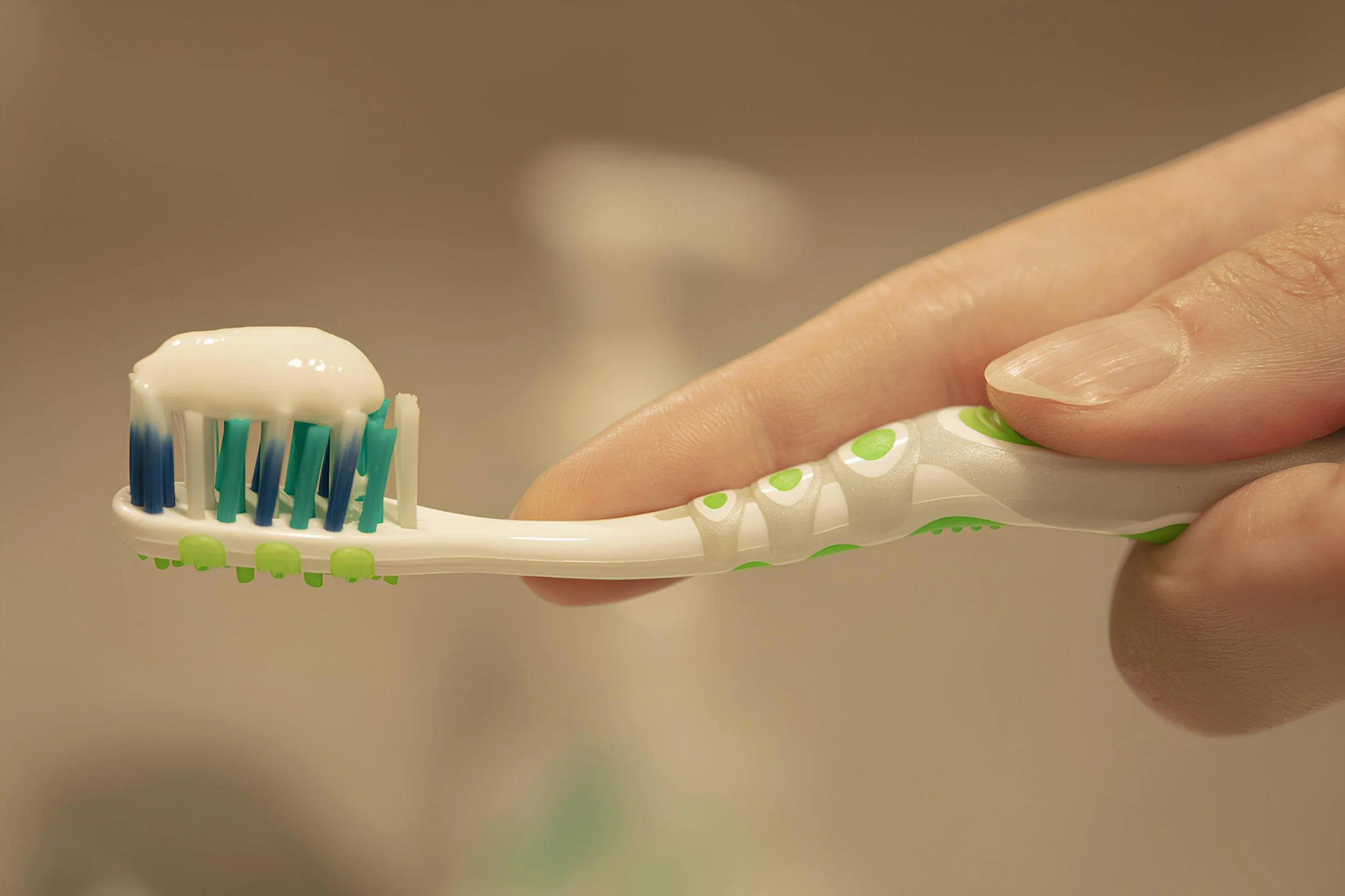
A little blood is common, but it is not something to ignore
Maybe it only happened once, or it has been happening for weeks. Maybe your gums bleed when you floss, brush near one tooth, or use an electric toothbrush. At Batchelor Dentistry, we want you to know two things. First, bleeding gums do not mean you should panic. Second, bleeding gums are your mouth’s way of asking for attention.
The most common reason is gum inflammation
When gums bleed during brushing, the most common reason is inflammation. Inflammation often starts when plaque builds up around the gumline. Plaque is a sticky film of bacteria. If it is not cleaned away well, it can irritate the gums and eventually harden into tartar.
Once tartar forms, brushing harder will not remove it. A professional dental cleaning is needed to safely remove it.
It could be gingivitis
Gingivitis is the earliest stage of gum disease. Your gums may look red, swollen, puffy, tender, or shiny. They may bleed when you brush or floss, even if you are not brushing aggressively.
The good news is that gingivitis can often improve with professional care and better home habits. The key is catching it early, before it turns into more serious periodontal disease.
Brushing too hard can also cause bleeding
Not every bleeding gum problem is gum disease. Sometimes patients brush too hard, use a hard-bristled toothbrush, or scrub the gumline with too much pressure. That can irritate the tissue and make gums more likely to bleed.
A soft-bristle toothbrush is usually the better choice. Gentle, thorough brushing works better than aggressive brushing. If your toothbrush bristles look flattened or frayed quickly, you may be using more pressure than you need.
Flossing can cause bleeding at first
If you have not flossed in a while, your gums may bleed when you restart. That does not mean flossing is bad for you. It often means the gums between your teeth are inflamed and need consistent care.
Try flossing gently once a day for a week or two. If the bleeding improves, you were likely helping the tissue heal. If the bleeding continues, gets worse, or happens in one specific area, schedule an appointment so we can take a closer look.
Other reasons your gums may bleed
Bleeding gums can happen for several reasons, and some are easier to fix than others. Common causes include:
- Plaque and tartar buildup
- Gingivitis or gum disease
- Brushing or flossing too hard
- A hard-bristle toothbrush
- Poor-fitting dentures or dental appliances
- Certain medications, including blood thinners
- Smoking, vaping, or chewing tobacco
- Changes in health or oral hygiene habits
Because the causes vary, we do not want you guessing. A dental exam can help us find the source and recommend the right next step.
When bleeding gums point to gum disease
Recurring bleeding is one of the most common warning signs of gum disease. Gum disease, also called periodontal disease, happens when bacteria-filled plaque and calculus build up along and below the gumline. Over time, this can lead to inflammation, gum recession, bone loss, loose teeth, and even tooth loss.
One tricky thing about gum disease is that it does not always hurt. You can have a serious gum problem without much discomfort. That is why bleeding matters. It may be the first sign your gums give you.
What we look for during your visit
When you come in with bleeding gums, we start by listening. We will ask when the bleeding started, whether it happens when brushing or flossing, whether your gums feel sore, and whether you have noticed bad breath, gum recession, loose teeth, or sensitivity.
Then we examine your teeth and gums. We may recommend x-rays, gum measurements, and a professional cleaning depending on what we find. Our goal is to explain what is going on in plain language so you understand your options.
How we treat bleeding gums
Treatment depends on the cause. If the issue is mild irritation or technique-related, we may recommend a softer toothbrush, gentler brushing, and better flossing technique. If plaque and tartar are the problem, a professional cleaning may be the first step.
If gum disease is present, treatment may include deep therapeutic cleanings, prescription mouth rinses, and home care instructions tailored to your needs. For advanced gum disease, we may refer you to a trusted periodontist for specialized care.
You will not be judged or talked down to. Our job is to help you get healthier.
Why cleanings matter even if you brush every day
Brushing at home is important, but it cannot do everything. Your toothbrush can remove fresh plaque from tooth surfaces, but it cannot remove hardened tartar or clean deep below the gumline the way professional instruments can.
During routine cleanings, we also screen for cavities, oral cancer, gum disease, and other concerns while they are easier to treat. For many patients, cleanings every six months help keep gum problems from sneaking up quietly.
What you can do at home now
While you are waiting for your appointment, a few simple habits can help. Use a soft-bristle toothbrush and brush gently for two minutes twice a day. Floss once daily, even if there is a little bleeding at first. Replace your toothbrush every two to three months, or sooner if the bristles look worn.
Avoid smoking, vaping, and chewing tobacco if possible. These can make gum problems worse and make healing harder. If your gums are randomly bleeding, bleeding heavily, or the bleeding will not stop, call us right away.
What if gum disease has already caused tooth loss?
Our priority is to help you keep your natural teeth whenever possible.
But if gum disease has already led to loose or missing teeth, we can talk through restorative options once your oral health is stable. Batchelor Dentistry offers implant restoration, dentures, bridges, and All-on-4 implant-based restorations in partnership with a local oral surgeon.
Healthy gums are important for any tooth replacement plan. If you are missing teeth or worried your gums are getting worse, we can help you understand what comes next.
Bleeding gums are worth checking
You don’t have to wait until your gums hurt. If your gums bleed when you brush, especially more than once or in the same area repeatedly, schedule a visit. The sooner we know what is causing it, the easier it is to protect your gums, teeth, and long-term health.
At Batchelor Dentistry, we offer friendly, judgment-free care for patients in Harrisonburg who want clear answers and a healthier smile. Call (540) 432-9992 or contact us online to schedule your visit.